
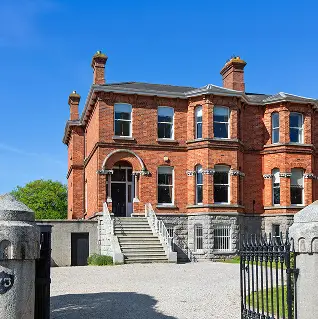


How long does it take to buy a home in Ireland? A complete timeline
Buying a home in Ireland can feel exciting, slow, emotional and confusing, sometimes all in the same week. Once your offer is accepted, it is natural to wonder how long it will take before you finally collect the keys to your new home.
There is no fixed timeline for every purchase. A straightforward sale may move steadily, while a property chain, mortgage delay, survey issue or missing legal could potentially add weeks to the closing of a sale.
For buyers in Dublin, the best approach is to understand each stage before you begin. That way, you can prepare properly, ask better questions and avoid unnecessary stress.
Getting mortgage ready before you search
The buying timeline starts before you view a property. If you need a mortgage, your first step is to understand your budget and get mortgage approval in principle.
A mortgage is a long-term loan secured against the property you buy. This means your lender has a legal interest in the home until the loan is repaid.
We recommend getting mortgage approval in principle before seriously looking at buying a property, as it gives you a clearer price range and helps sellers see that you are ready to buy. Choosing a solicitor early is essential too, because the Estate Agent will usually ask for your solicitor’s details once your offer is accepted.
What to prepare early
Before you start bidding, it helps to have:
- Mortgage approval in principle
- Deposit funds ready
- Proof of savings
- Solicitor selected
- A realistic budget for fees and moving costs
- A clear idea of preferred areas
For a first-time buyer, this preparation can reduce pressure. Or, for someone who may be buying and selling at the same time, it can make the whole chain easier to manage.
Searching and making an offer
The search stage can take days, weeks or months, depending on your budget, area and flexibility. Dublin is varied, so a home in Drumcondra may attract different buyers from an apartment near Santry, or a family house in Marino.
When you find a property you like, ask practical questions before bidding. Look at transport, local schools, parks, management fees if it is an apartment, likely running costs and whether the home suits your life beyond the first year.
Once your offer is accepted, the property usually becomes Sale Agreed. In a private treaty sale, you may pay a booking deposit to the Estate Agent, but this is generally refundable up to the signing of contracts. Citizens Information explains that the legal process may only begin once the booking deposit is received.
Sale Agreed is an important step, but it does not mean the property is legally yours yet.
Sale agreed to legal checks
After Sale Agreed, the legal process begins. Your solicitor reviews the contract for Sale, checks title and raises questions with the seller’s solicitor.
Conveyancing means the legal work involved in transferring property ownership from the seller to the buyer. This stage can be smooth, or it can take longer if certain documents are missing.
Common causes of delay include:
- Title Deed issues
- Missing planning documents
- Unclear certificates for extensions
- Slow or lack of management company replies for apartments
- Probate or family sale complications
- Slow replies between solicitors
- Property chain delays
Citizens Information advises buyers to have a solicitor carry out the conveyancing work, and notes that your solicitor checks the contract before you sign it.
For buyers in established areas such as Glasnevin, Phibsborough and Drumcondra, older homes may have extensions, attic conversions or long ownership histories. These are not necessarily problems, but they do need proper checking before the closing of the sale.
Survey, valuation and mortgage conditions
Before signing contracts, it is wise to arrange a survey. A building surveyor or engineer checks the condition of the property and can flag issues such as damp, roof problems, structural concerns, drainage, windows or older services.
Citizens Information says sellers do not have to tell buyers about defects, so buyers should get a survey before finalising the purchase. The Government’s home buying guidance also recommends getting a building condition survey before signing contracts.
This is different from the bank valuation. A valuation is mainly for the lender, to confirm the property is suitable security for the mortgage.
Your lender may also need final mortgage documents, home insurance and mortgage protection before funds can be released. The Government advises addressing mortgage conditions as soon as possible after Sale Agreed, including valuation and home insurance where required.
A BER, or Building Energy Rating, shows how energy-efficient a property is on a scale from A to G. Citizens Information notes that all homes for sale must have a BER, which helps buyers compare energy performance.
Signing contracts
Once your solicitor is satisfied with the legal documents, survey position report and mortgage approval, you can sign the contract for sale.
This is a serious step. Citizens Information explains that the contract for sale binds the parties to complete the sale, and if you withdraw after signing, you may lose your deposit.
Stamp duty is a tax paid when buying property. Your solicitor calculates the amount due and arranges payment to Revenue before the sale closes.
Do not sign contracts until your solicitor confirms that everything is in order. This is where patience matters. Our advice is a short delay before signing is often better than discovering a costly issue afterwards.
Closing and collecting the keys
Closing is the final stage. Your lender releases funds, your solicitor completes the legal transfer and the seller’s solicitor confirms completion.
Once the sale closes, you can collect the keys from the Estate Agent. After that, your solicitor continues with post-completion work, including registration of ownership. Citizens Information notes that finalising deeds with Tailte Éireann can take months or years, but you are still the owner of the property once the sale has completed.
At this stage, you can arrange moving dates, utilities, broadband, insurance updates and any immediate works.
What can speed things up?
You cannot control every part of a purchase, but you can prevent avoidable delays.
The strongest buyers are usually organised before they go Sale Agreed. They have finance ready, a solicitor chosen, documents prepared and realistic expectations.
Practical ways to stay ahead
- Choose your solicitor before bidding on a property
- Keep your mortgage documents updated
- Arrange your survey quickly after going Sale Agreed
- Respond promptly to your lender and solicitors’ requests
- Ask the agent about property chains early
- Keep extra savings available for stamp duty and fees
- Do not make major financial changes during the process
- Stay calm, as normal legal checks take time
Strong communication is one of the biggest stress reducers. A good Estate Agent should work to help keep both sides informed and updated at all points of the sale.
How MoveHome can help
Everyday at MoveHome, we help buyers and sellers understand the process before it becomes stressful. We know the local property types, buyer expectations and common delays on property sales across Dublin City.
Our role is to guide you clearly through each stage, from first viewing and offer strategy to Sale Agreed, surveys, communication and closing. We believe a good move should feel supported, transparent and well managed throughout the whole process.
Whether you are buying your first home or moving your family into the next one, we are here to help you make your next move.