

Important things to consider when downsizing
Downsizing is rarely just a property decision. For many Dublin homeowners, it means leaving a home filled with memories, simplifying day-to-day life and choosing a place that better suits the years ahead.
It can also feel like a lot to organise. You may be thinking about space, family belongings, location, running costs, timing, legal steps and whether now is the right moment to sell.
This guide is written by us to help you make clear, confident decisions. We will walk through the key things to consider before downsizing in Dublin, with some tips and tricks to make the journey feel less overwhelming.
Start with the lifestyle you want next
Before looking at properties, start with your life. A smaller home is only the right move if it supports how you want to live day to day.
Think about what you want more of. That might be less maintenance, lower bills, easier access to shops, better transport links, a quieter street or being closer to your family.
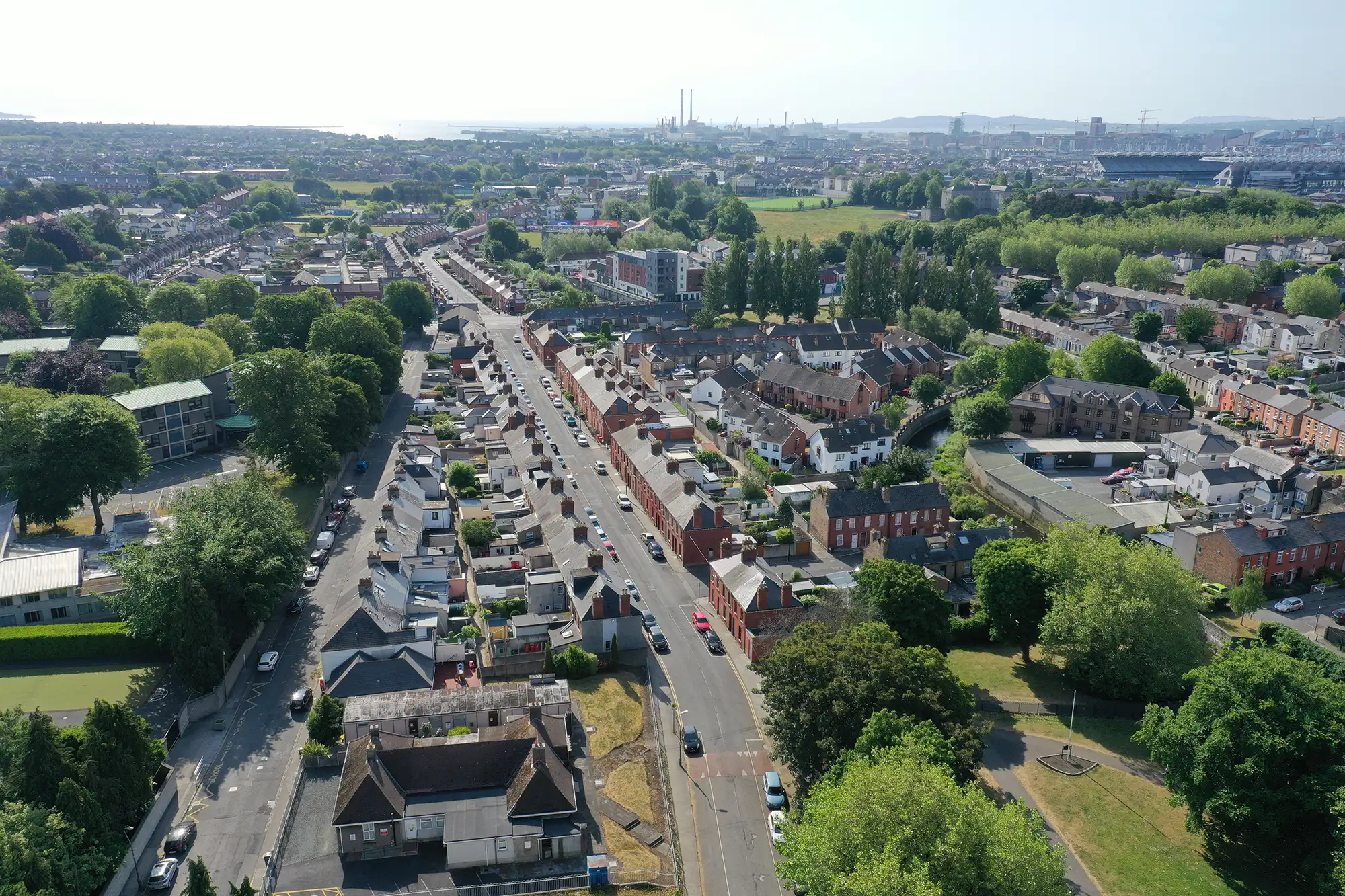
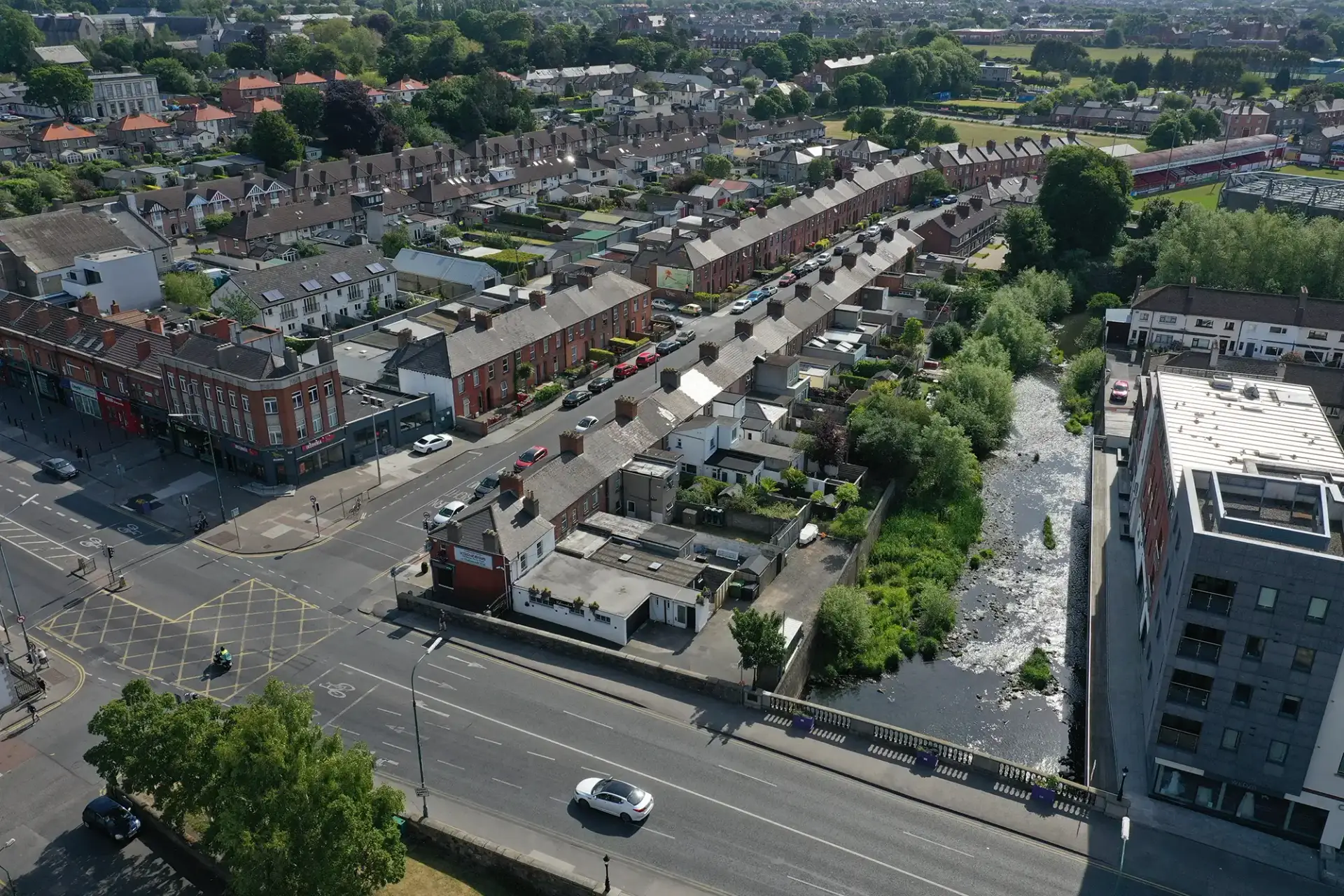
For many downsizers in Drumcondra, Glasnevin, Phibsborough, Marino and Clontarf, the goal for a lot of people is not to leave the community behind. It is to find a home that keeps you connected, while removing the pressure of maintaining a larger property.
Ask yourself
- Do I want to stay in the same neighbourhood?
- Do I need a garden, or would a balcony or shared outdoor space suit me?
- Would I prefer a house, apartment or bungalow?
- Do I want to be within walking distance of shops, cafés, parks or public transport?
- Will this home still work for me in five or ten years?
The best downsizing decisions are not rushed. They are based on the life you are moving towards, not just the property you are moving away from.
Understand what your current home is worth
A clear valuation gives you a stronger starting point. It helps you understand your budget, your options and whether selling now supports your plans.
A good valuation should not be a guess. It should consider recent local sales, current buyer demand, property condition, size, energy performance, outdoor space and the specific appeal of your street.
Across Dublin City, value can change noticeably from one road to the next. A house near Griffith Park, the Botanic Gardens, Drumcondra village, Phibsborough village or strong bus routes may appeal to different buyer groups.
What to look for in a valuation
A useful valuation should explain:
- Who the likely buyer is
- What similar homes have achieved locally
- What presentation improvements may help
- What could hold the price back
- How long the sale may realistically take
This is where local expertise matters. An online estimate from a website can be useful, but it cannot always read the feeling of a street, the strength of local demand or the emotional appeal of a well-kept family home.
Be realistic about what you need to bring with you
One of the hardest parts of downsizing is deciding what comes with you. A smaller home can feel freeing, but only if you make space for what genuinely matters.
Start early and work room by room. Try not to leave decisions until the sale is agreed, as that can add pressure at the wrong time.
It can help to divide belongings into four groups:
- Keep
- Gift to family
- Donate or sell
- Let go
This process can be emotional, especially if you have lived in the home for many years. Take your time where possible and involve family if that feels helpful.
Think carefully about location
For many downsizers, location is more important than floor space. A smaller home in the right place can make life easier, more social and more enjoyable.
In areas like Stoneybatter, Smithfield, Glasnevin and Drumcondra, buyers and downsizers often value walkability. Being close to shops, medical services, public transport, green space and familiar neighbours can make a big difference.
Transport is also worth thinking about practically. Bus routes, Luas access, train connections and easy routes into the city can all affect how convenient a move feels.
Local details to consider
When comparing areas, think about:
- Daily shopping
- GP and pharmacy access
- Public transport
- Parking
- Stairs and lift access
- Noise levels
- Local clubs, cafés and community groups
- Proximity to family and friends
A good downsizing move should help you stay independent and connected.
Understand the costs before you commit
Selling and buying involve costs, so it is important to plan properly. Stamp duty is a tax paid when buying property, and the amount depends on the property type and purchase price. It is typically about 1% of the total sale price.
You should also allow for solicitor fees, estate agency fees, survey costs, moving costs, insurance and possible work on your next home. Local Property Tax, or LPT, is an annual tax on residential property in Ireland, and it is worth checking how it may apply to your next home.
A BER, or Building Energy Rating, shows how energy-efficient a property is on a scale from A to G. A stronger BER may mean lower running costs, which can matter if you are moving to simplify expenses.
It is worth checking current tax rules with Revenue, your solicitor or a MoveHome agent before making a final decision. Rules and costs can change, and it is better to work from accurate figures rather than assumptions.
Prepare your home without overdoing it
You do not need to renovate your whole home before selling. In many cases, careful presentation is enough.
Buyers are often drawn to homes that feel clean, well cared for and easy to imagine living in. This is especially true for family homes in established Dublin areas, where buyers may already understand the value of the location the property is in.
Simple improvements that can help
Focus on:
- Fresh paint in tired rooms
- Clean windows
- A tidy garden or patio
- Clear hallway space
- Good lighting
- Minor repairs
- Removing excess furniture where possible
The goal is not to erase the character of your home. It is to help buyers see the space clearly.
Give yourself a calm timeline
Downsizing is easier when you have time to think. Rushing can lead to poor decisions, unnecessary stress and missed opportunities.
A sensible timeline might begin with a valuation, followed by advice on presentation, paperwork, professional photography, viewings and your onward search. You do not need to make every decision on day one.
It is also worth speaking with a solicitor early. Having documents ready can help avoid delays once a buyer is found.
Helpful documents to gather
You may need:
- Title documents
- Planning documents for extensions or alterations
- BER certificate
- Receipts or guarantees for works carried out
- Utility and service information
- Management company details, if selling an apartment
How MoveHome can help
At MoveHome, we understand that downsizing is both practical and personal. You are making a crucial life decision about your next chapter.
We combine our thorough Dublin market knowledge with a supportive, step-by-step approach. That means honest advice on value, clear guidance on timing and careful handling of viewings, negotiations and communication. This will give you a clear and realistic timeline, so you can plan ahead for the big move.